
Although some nurseries have stricken these two plants from production, there are still excessive amounts of Pyrus calleryana and Berberis thunbergii in pots, fields and retail shelves. Growers, retailers and landscapers in Pennsylvania will need to find alternatives, as these two plants have been deemed as noxious weeds by the state’s agriculture department.
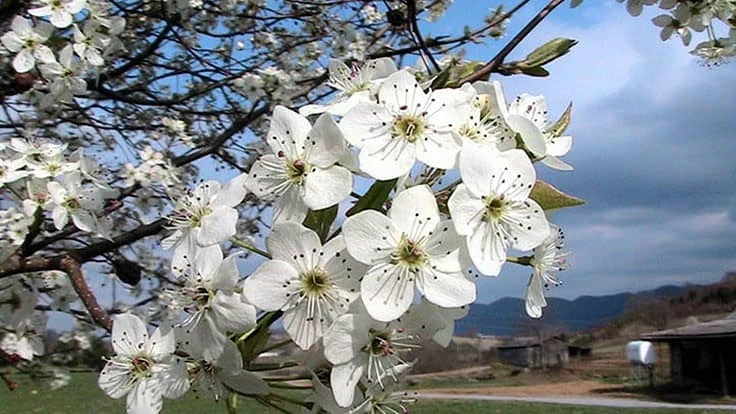
Beginning in February, Pennsylvania nurseries began receiving notices asking them to begin decreasing inventory of the invasive P. calleryana (also known as Bradford pear or Callery pear). Once on the noxious weed list, plants can’t be legally sold or cultivated in the state. The popular, non-native, flowering fruit tree naturalizes, spreading from planted landscapes, crowding out other plants and disrupting native ecosystems. The ban on sale and cultivation was expected to take effect February 9, 2022, with enforcement phased in over two years.
"Callery pear is another non-native plant that was brought to this country for its beauty and rapid growth, without regard for its long-term potential to harm our environment and food supply," says Agriculture Secretary Russell Redding in a released statement. "Banning the sale of an invasive plant is an important tool to stop its spread and is a step we take only after careful consideration of the damage it causes and its potential for continued harm to our ecosystem and economy."

Enforcement of the ban will be phased in over two years to allow time for nurseries and landscaping businesses to eliminate it from their stock and replace the trees with alternatives that pose less threat to the environment and agriculture. The department has established an exemption procedure for breeders who own the rights to varieties that have been researched and proven sterile and will consider exempting these varieties from the ban.
Callery pear was brought to the U.S. in the early 1900s by researchers looking for a fire blight-resistant species that could be bred with European pear to increase fruit production. It has garnered attention in recent years as a prolific invader that can easily spread into woodlands, pastures, fields and natural areas.
By February 2023, the department will issue letters of warning to any plant merchant still selling Callery pears, providing a date in February 2024 after which remaining inventory will be subject to a destruction order. And by February 2024, the department will issue Stop Sale and destruction orders to plant merchants selling or distributing P. calleryana.
This falls on the heels of the state adding Japanese barberry (Berberis thunbergii) to the list of noxious weeds last fall. According to the department, the Japanese barberry was added to the list because it forms dense, prickly thickets that crowd out plants and disrupt native ecosystems. It is also thought to harbor black-legged ticks that spread lyme disease. The ban on the sale and cultivation took effect October 8, 2021.
Like in the case with Callery pears, enforcement of the ban will be phased in over two years to allow time for nurseries to eliminate it from their stock, find non-harmful alternatives, or develop seedless, sterile varieties.
Japanese barberry was originally brought to the U.S. from Japan and eastern Asia in the 1800s to be planted as an ornamental. It is widely used as a landscape shrub because of its fall coloring and resistance to deer.

By fall of 2022, the department will issue letters of warning to any plant merchant still selling Japanese barberry, providing a date in Fall 2023 after which remaining inventory will be subject to a destruction order.
By fall 2023, the department will issue Stop Sale and destruction orders to plant merchants selling or distributing Japanese barberry.
Growers, breeders and retailers with questions should contact ra-plant@pa.gov.


Explore the February 2022 Issue
Check out more from this issue and find your next story to read.