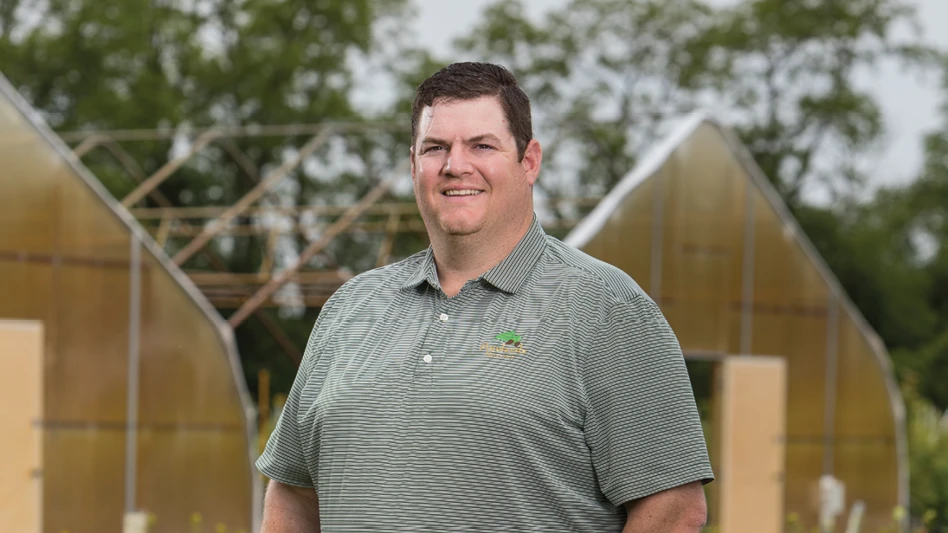
Power Trees Project from USDA’s Agricultural Research Service is testing trees for urban landscapes. Lead researcher John Hammond’s wish list includes trees that can survive years of service shading city sidewalks or traffic median strips.
Poorly chosen specimens often outgrow the confines of streets, which leads to severe pruning or removal by utility companies, he said.
“It’s really a shame to see trees that have been unwisely planted having to be aggressively trimmed because of their interference with utility lines and other structures,” he said.
The ultimate street tree is small- to medium-sized, tolerant to environmental extremes and pest resistant.
{sidebar id=2}
For more: John Hammond, ARS Floral and Nursery Plants Research Unit, (301) 504-5313; john.hammond@ars.usda.gov.
Latest from Nursery Management
- Meet the 2026 Leading Women of Horticulture
- [SNEAK PEEK] Leading Women of Horticulture: Louise Schaefer and Susan Tantsits
- The Growth Industry podcast Episode 10: State of the Horticulture Industry
- Tennessee Green Industry Field Day scheduled for June 11
- UTIA and UT Knoxville research teams will develop automated compost monitoring system
- Ken and Deena Altman receive American Floral Endowment Ambassador Award
- [SNEAK PEEK] Leading Women of Horticulture: Becky Thomas
- [WATCH] Taking root: The green industry’s guide to successful internships