Even though farming productivity has increased, farmers are being pressured to do more with fewer natural resources while facing the uncertain effects of climate change. A new report, “Toward Sustainable Agricultural Systems in the 21st Century,” from the National Research Council concludes that in order for U.S. agriculture to evolve national agricultural policies and research programs should look beyond low costs and high production levels. The report said these policies and programs need to adopt a holistic perspective that covers multiple end goals.
The NRC committee that prepared the report identified 4 goals that should be considered to achieve a sustainable agriculture system that looks beyond the end goal of producing more goods.
* Satisfy human food, fiber and feed requirements and contribute to biofuels needs.
* Enhance environmental quality and the resource base.
* Maintain the economic viability of agriculture.
* Improve the quality of life for farmers, farm workers and society as a whole.
Although the report lays out a framework toward attaining sustainable farming systems, it stresses that farmers' decisions to employ new practices are influenced by external forces, such as science, markets, public policies, land tenure arrangements and the farmers’ own values, knowledge, skills and resources. The committee emphasized that achieving these 4 goals and creating systems that can adapt to fluctuating conditions are hallmarks of greater sustainability
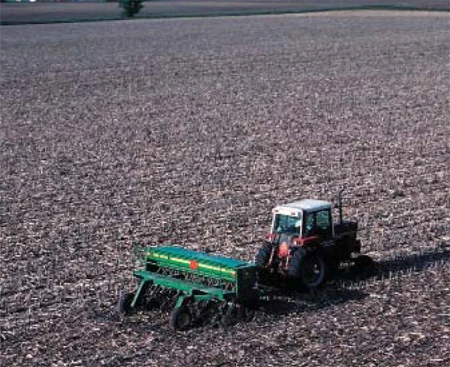
Pictured: For U.S. farmers to meet production, consumer and environmental demands and still make a living, agricultural policies and research programs will have to look beyond focusing on low costs and greater production.
Latest from Nursery Management
- [SNEAK PEAK] Leading Women of Horticulture: Louise Schaefer and Susan Tantsits
- The Growth Industry Episode 10: State of the Horticulture Industry
- Tennessee Green Industry Field Day scheduled for June 11
- UTIA and UT Knoxville research teams will develop automated compost monitoring system
- Ken and Deena Altman receive American Floral Endowment Ambassador Award
- [SNEAK PEEK] Leading Women of Horticulture: Becky Thomas
- [SNEAK PEEK] Leading Women of Horticulture: Angela Burke
- [SNEAK PEEK] Leading Women of Horticulture: Alexa Patti