Adobe Stock
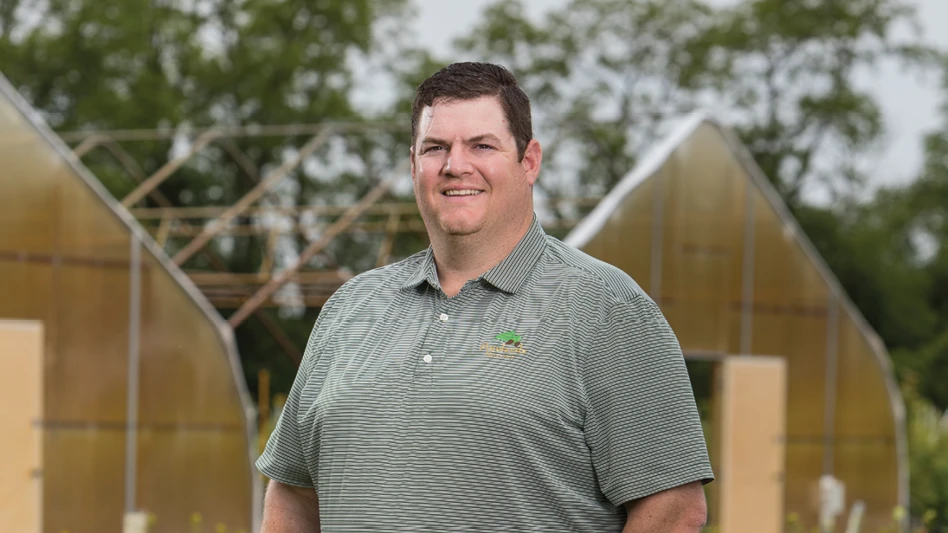
Anthony Beckham, owner of Roanoke Nursery in Roanoke Rapids, North Carolina, relies on two-way radios for better communication among his employees and to help his customers.
He found it’s a superior form of communicating over cell phones for his facility because the radios are clearer and more efficient. It’s easier for him and his crew to push a button and start a conversation over the two-way radio compared to calling or texting.
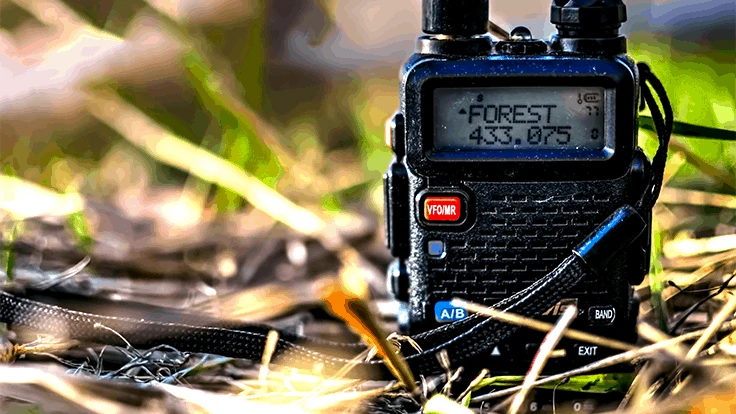
Although he used off-the-shelf walkie-talkies previously, Beckham recently switched to a business class radio with more power and durability than models sold at a sporting goods store. Business-class radios provide more privacy because they don’t use public frequencies like off-the-shelf radios do. Business-class radios also have a higher power output of up to 5 watts, which gives users a longer and clearer communication range.
“The communication has been much better. The communication is clearer,” Beckham says. “We've never used a radio that cost quite this much, but it’s something we probably should have done years ago.”
Bekcham believes that having a clear, quick and reliable form of communication has helped his business grow.
“I’ve seen places use cheap $30 or $40 radios that everyone has trouble with,” he says. “People drop them all the time and break them, but I think having a good radio is going to be a lot more beneficial.”
Without two-way radios, Beckham says it’s much harder to track down employees or get questions answered quickly for his customers.
Cheryl Wiggin, owner of Wiggin’s Nursery Co. in Mt. Vernon, Washington, found that two-way radios have provided more efficient and effective communication among staff, including saving time around the nursery.
“Most of our guys have a radio and communicate with each other. We have 80 acres, and they drive around the property just to save time,” she says.
Wiggin’s crew previously used some proprietary cell phones with push-to-talk features on them, but they didn’t work the way she hoped and eventually moved to a traditional two-way radio, she explains.
“Then we tried a couple of radios and landed on our current one, and it’s what we stuck with,” Wiggin says. “We need to communicate; the guys don’t want to use their cell-phones for work, and we don’t want to buy everyone a cell phone.”
She also prefers the warranty on the two-way radios — which is typically two or three years.
“You don’t get that from your cellphone, that’s for sure,” she says.
About the author: Stewart McClintic is the VP of Sales at HQ98.com. He is a former journalist who specialized in business and education writing.
Latest from Nursery Management
- [SNEAK PEAK] Leading Women of Horticulture: Louise Schaefer and Susan Tantsits
- The Growth Industry Episode 10: State of the Horticulture Industry
- Tennessee Green Industry Field Day scheduled for June 11
- UTIA and UT Knoxville research teams will develop automated compost monitoring system
- Ken and Deena Altman receive American Floral Endowment Ambassador Award
- [SNEAK PEEK] Leading Women of Horticulture: Becky Thomas
- [SNEAK PEEK] Leading Women of Horticulture: Angela Burke
- [SNEAK PEEK] Leading Women of Horticulture: Alexa Patti