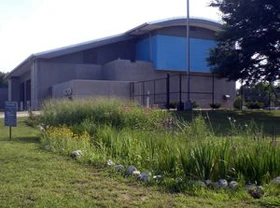
Deep-rooted plants and the sunken profile of rain gardens help infiltrate stormwater runoff and reduce erosion. And rain gardens can be as beautiful as they are functional.
Keep in mind that your rain garden, unlike a water garden, will be dry most of the time. Plants should be able to tolerate short periods of inundation, but not require constant standing water. Select plants with moderate moisture requirements for areas that will have moist, well-drained soil. For drier sites like the edge of your rain garden, use plant that have low or moderate moisture requirements. Perennial plants should be hardy in your growing zone.
Need help deciding what to grow or plant? 10,000 Rain Gardens can help. Use the group's rain garden plants database.
Latest from Nursery Management
- [SNEAK PEAK] Leading Women of Horticulture: Louise Schaefer and Susan Tantsits
- The Growth Industry podcast Episode 10: State of the Horticulture Industry
- Tennessee Green Industry Field Day scheduled for June 11
- UTIA and UT Knoxville research teams will develop automated compost monitoring system
- Ken and Deena Altman receive American Floral Endowment Ambassador Award
- [SNEAK PEEK] Leading Women of Horticulture: Becky Thomas
- [WATCH] Taking root: The green industry’s guide to successful internships
- [SNEAK PEEK] Leading Women of Horticulture: Angela Burke