The Federal Reserve Bank of Dallas released its Quarterly Energy Update this week. Oil prices have hovered around $70 per barrel for two months. While up more than 50 percent this year, prices are still more than 30 percent below year-ago levels. The futures market expects oil prices to trade moderately higher over the coming year. The 12-month futures contract is $5 higher than current spot prices, or about 7 percent. This is in stark contrast with the first quarter when the differential exceeded $15, which was 40 percent higher than the spot price.
Click here to read the rest of the report.
U.S. oil consumption has risen steadily for the past four months but is still down significantly year over year. Preliminary data for October indicate continued strengthening in gasoline consumption, signaling further firming in the U.S. economy.
Natural gas has rebounded from its recent lows, but oil continues to trade at a significant premium on an energy content basis. As of October 8, the price of oil was approximately 16 times that of natural gas. This is down from two weeks ago when the ratio touched 30, which was the highest relative price of oil in over 15 years and well above the energy content parity of 6 times.
Plentiful supply and weak demand for natural gas have led to relatively weak prices. Increased gas production from shale plays is being met with tepid industrial demand due to the recession. The result has been above-average injections into inventory. After adjusting for seasonality, gas inventories are at their highest levels in 15 years and approaching capacity limits. According to the Energy Information Administration, the peak capacity of underground working gas storage is around 3.9 trillion cubic feet (Tcf). At the end of September there was almost 3.6 Tcf in storage. As inventories approach the limit, more natural gas could be forced onto the market, putting downward pressure on prices in the near term.
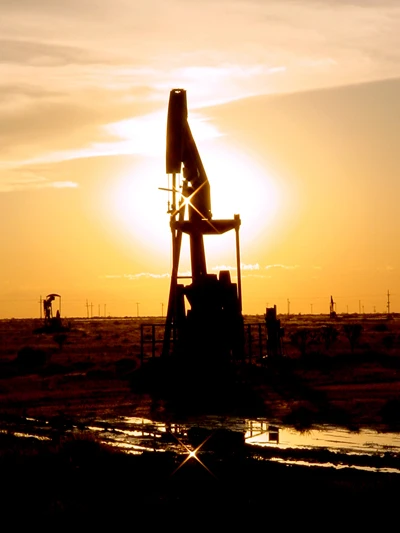
Photo by Dawn Allynn.
Latest from Nursery Management
- [SNEAK PEAK] Leading Women of Horticulture: Louise Schaefer and Susan Tantsits
- The Growth Industry Episode 10: State of the Horticulture Industry
- Tennessee Green Industry Field Day scheduled for June 11
- UTIA and UT Knoxville research teams will develop automated compost monitoring system
- Ken and Deena Altman receive American Floral Endowment Ambassador Award
- [SNEAK PEEK] Leading Women of Horticulture: Becky Thomas
- [SNEAK PEEK] Leading Women of Horticulture: Angela Burke
- [SNEAK PEEK] Leading Women of Horticulture: Alexa Patti