Monrovia has been certified by the Food Alliance for sustainable agricultural and management practices at its Dayton, Ore., nursery. For the past 18 years, Food Alliance has provided comprehensive third-party certification for sustainable food handling practices. In the summer of 2012 the non-profit organization unveiled a sustainability standard for nurseries and greenhouses.
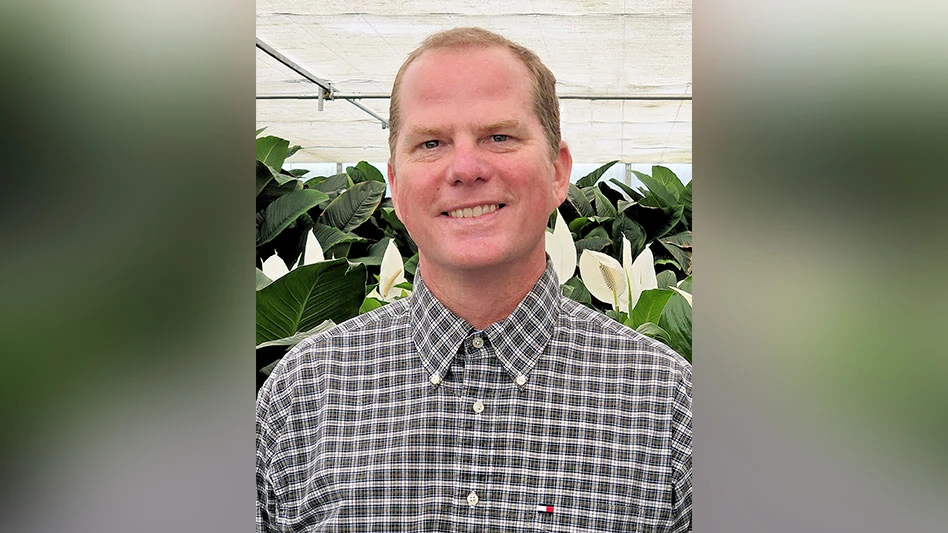
“Monrovia has long been an industry leader in developing and implementing systems to reduce the use of pesticides and hazardous chemicals, improve water recycling, increase composting and establishing reuse/recycle programs throughout the company,” said Walter Suttle, technical services coach. “In 2001, the Environmental Protection Agency (EPA) awarded us with its prestigious Evergreen Award for environmental excellence and leadership in pollution prevention.”
Food Alliance certification standards for farm and facility operations address a range of social and environmental issues including safe and fair working conditions, reduction of pesticide use and toxicity, soil and water and energy conservation, reduction of waste, and protection of wildlife habitat. The certification requires continuous improvement in social and environmental management practices. Below are some examples of Monrovia’s environmental stewardship:
Fair Working Conditions. Monrovia’s values statement is Fairness, Respect, Opportunity and Pride of Craftsmanship. A key company tenet is that its Craftsmen are its most valuable asset.
Pesticide Use Reduction. Monrovia is committed to providing high quality, pest-free plants while maintaining a commitment to reducing its environmental impact. They have done extensive research into the root causes of disease and pest outbreaks. By addressing the causes, Monrovia has been able to reduce the disease levels, and the need to use pesticides by actively encouraging natural populations of beneficial insects, which reduce the levels of pests.
Composting. Those plants that do not meet Monrovia’s quality standards are composted, rather than sent to landfill or the burn pile. This high quality compost is recycled into the custom soil blends. The compost is alive with beneficial organisms that suppress disease organisms, which helps reduce pesticide usage.
Water Recycling. During the summer irrigation season, the Monrovia nursery in Dayton captures and reuses all surface irrigation runoff. The re-use of this water allows the company to recycle fertilizers in the runoff, while preventing them from entering nearby streams. Water recycling allows the Dayton facility to produce more plant material without additional "raw" water withdrawals, conserving about 2,000 acre-feet of precious water per year. Back in the early 1970s, Monrovia was the first in the industry to recycle water.
Waste Reduction. Extensive recycling programs are in place at Monrovia. Plastic pots, bags, bottles and greenhouse films are all recycled, as well as cardboard, waste wood, metals, waste oil and antifreeze.
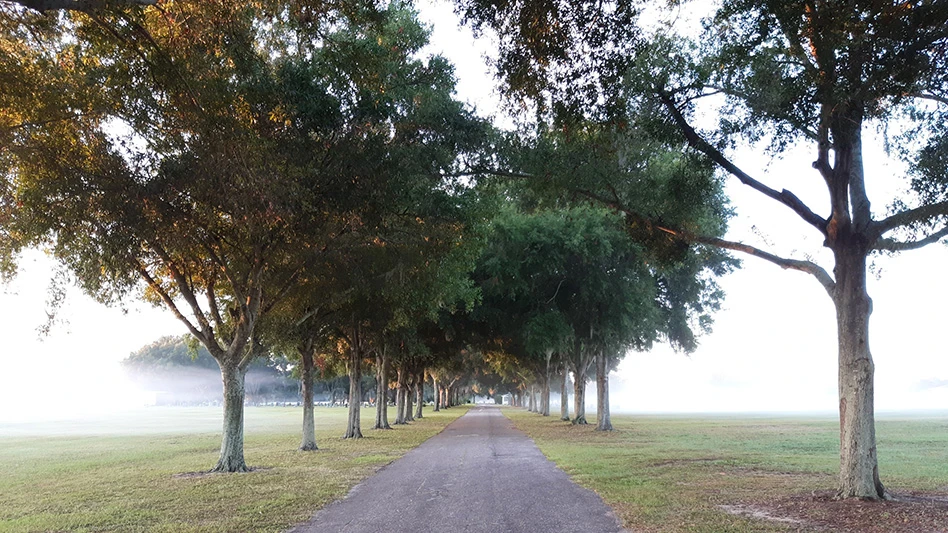
Wildlife Habitat. A native oak savanna has been preserved on the Oregon property, and natural vegetation is allowed to grow along the streams that pass adjacent to the nursery. A six-acre block has been planted with native trees along a reservoir. Many predatory birds can be seen hunting on the property. The hawks, owls, eagles and herons help prevent rodent damage.

Latest from Nursery Management
- Jackson & Perkins expands into Canadian market
- Green & Growin’ 26 brings together North Carolina’s green industry for education, connection and growth
- Marion Ag Service announces return of Doug Grott as chief operating officer
- The Garden Conservancy hosting Open Days 2026
- Registration open for 2026 Perennial Plant Association National Symposium
- Artificial intelligence applications and challenges
- Fred C. Gloeckner Foundation Research Fund calls for 2026 research proposals
- Harrell’s expands horticulture team with addition of Chad Keel