Photo courtesy of Edge of the Woods
Editor's note: March is Women’s History Month in the U.S., and March 8 is International Women’s Day.
That’s why for the second year in a row, we’re focusing our March magazine on the excellent women doing great work in our industry through the GIE Media Horticulture Group's Leading Women of Horticulture article and video series.
We’ve been interviewing women at all levels of the nursery and greenhouse business about their work and experiences in the green industry. Their stories are amazing and inspiring. Enjoy these sneak peeks before you read the full articles later this month.
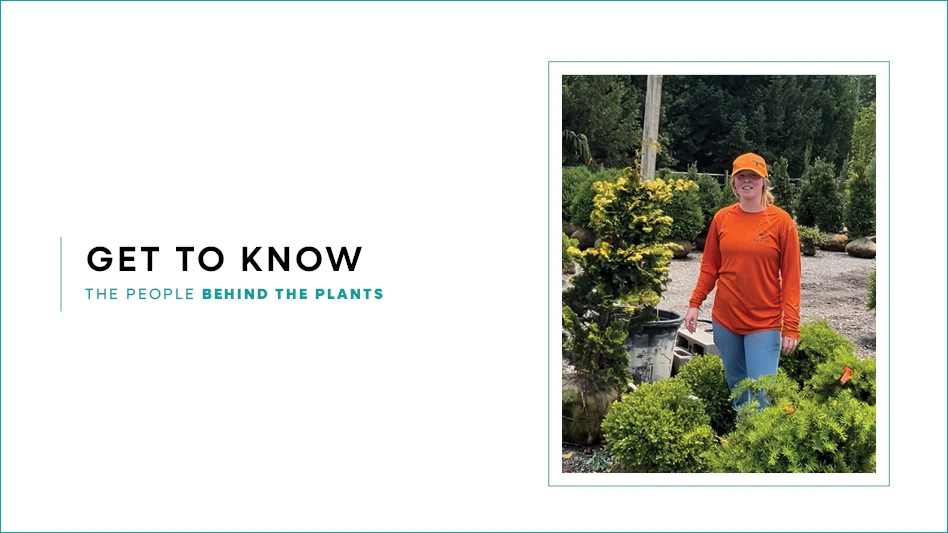
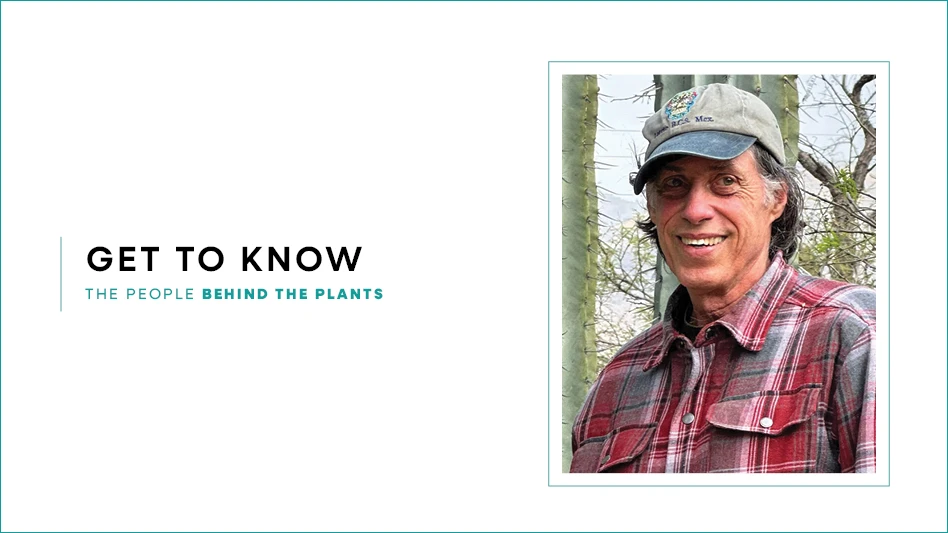
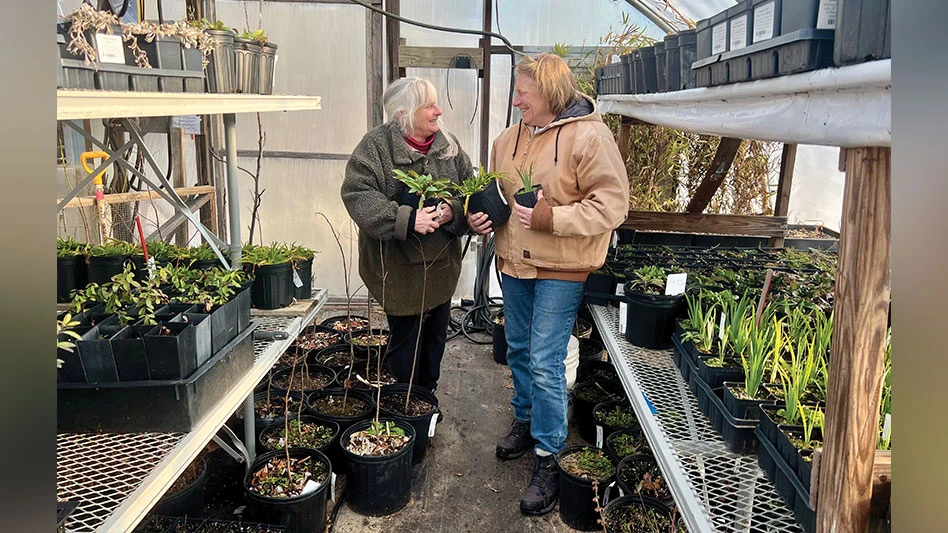
Louise Schaefer and Susan Tantsits, founders of Edge of the Woods
What started out as a shared passion between two friends, turned into a blossoming business. Located in Orefield, Pennsylvania, Edge of the Woods Native Plant Nursery, a Certified Woman Owned business, was founded by Susan (Sue) Tantsits and Louise Schaefer in 2003. Edge of the Woods is a retail nursery that’s open from April through October. The nursery grows and sells native trees, shrubs and perennials in containers to the public as well as to landscapers.
Katie McDaniel: How did you get into the horticulture industry individually, and how did you end up running a business together?
Louise Schaefer: How I got into the horticulture business was because I met Sue. We worked together at a nature conservancy, and she had started a native plant sale. At that time, I was the volunteer coordinator, and I got a lot of volunteers to help at the plant sale. It just kind of snowballed from there; a couple years later, we were like, well, let’s just have a nursery and sell plants.
Susan Tantsits: I started out playing with plants as a young woman and a new homeowner. I joined the Master Gardener group, which Louise had also, and we actually got to know each other through the Master Gardeners. I realized that I wanted to learn a whole lot more about horticulture and plant science, so I had an opportunity to go to Temple University and get a degree in horticulture; that really sprung me forward. Then I became interested and knew more through our conservation work about native plants. Then the native plant whole idea and environmental horticulture became a very important part of what we’re doing. Then Louise started working with me, and so Louise said to me one day, ‘Let’s start a native plant nursery,’ and I said, ‘OK.’ And the nursery was born.
KM: Through y’all’s years of running the nursery together, what was one of your most challenging moments?
ST: When I went to school, we did not have business in horticulture. I never thought that I would be owning a business, so it was a challenge for Louise and I to start to understand what it meant to run a business, especially for two women that were not in a horticulture business prior to. We wanted to connect with the retail customer, and many native plant businesses are wholesale, but our focus really wanted to be retail. I would say that was a challenge to get ourselves up to speed on all the components it took to run a business.
Our next challenge is now that we’ve had the business for 23-plus years, how do we transition the business to the next generation? Right now, I would say that is Louise and my greatest challenge.
LS: Yeah, and I think another challenge with the retail nursery, we both felt strongly that we wanted to help educate people about why native plants are important. And our focus was really on that a lot. But trying to do that and run a profitable business was challenging in the beginning because it was a lot of education. With the customers that just walk in the door, it takes a lot of time to explain and teach. Sue also has a degree in education, so teaching was important to us, to get the environmental message across. So, balancing that — our primary mission — with a sustainable business, was definitely a challenge in the early years.
Latest from Nursery Management
- The Growth Industry Episode 10: State of the Horticulture Industry
- Tennessee Green Industry Field Day scheduled for June 11
- UTIA and UT Knoxville research teams will develop automated compost monitoring system
- Ken and Deena Altman receive American Floral Endowment Ambassador Award
- [SNEAK PEEK] Leading Women of Horticulture: Becky Thomas
- [SNEAK PEEK] Leading Women of Horticulture: Angela Burke
- [SNEAK PEEK] Leading Women of Horticulture: Alexa Patti
- Native before it was cool