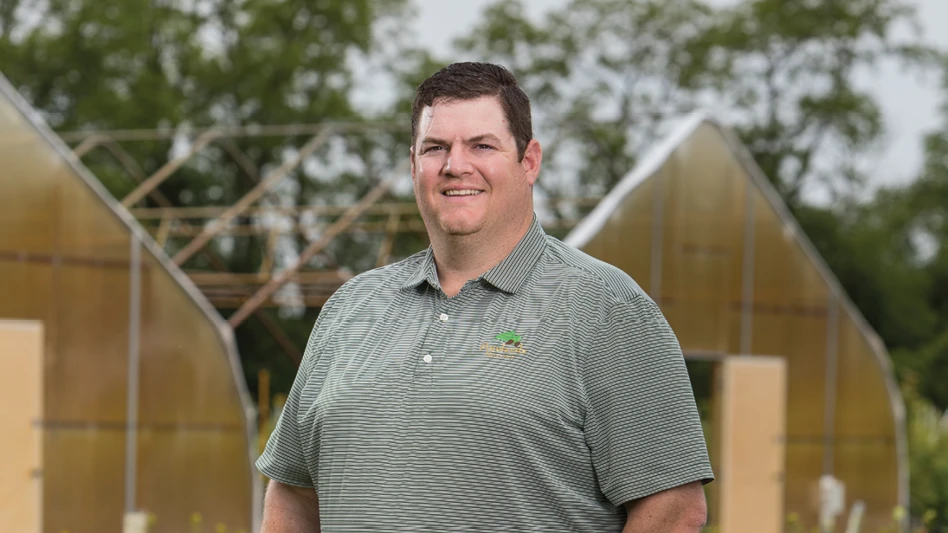
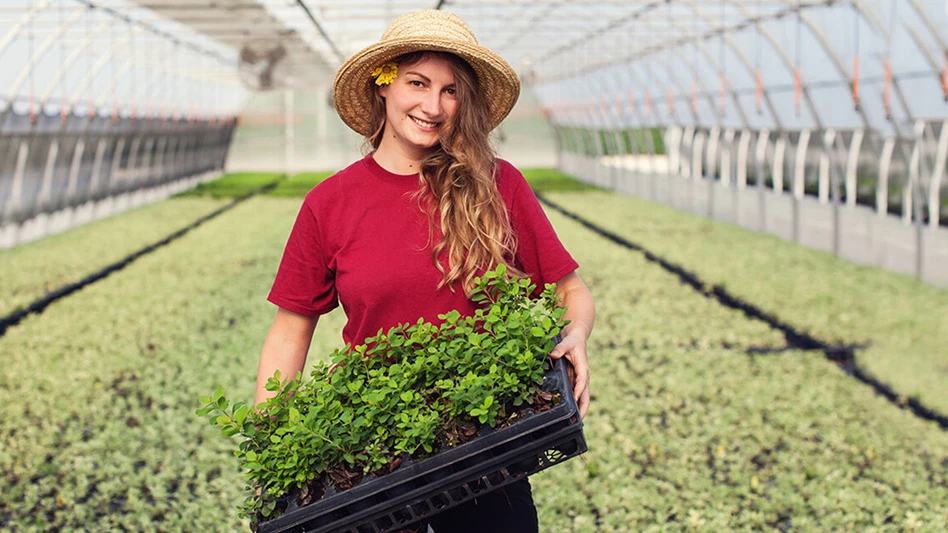
Jon Reelhorn wasn’t always a nurseryman. Back when he was a student at Fresno State he spent more time in the dugout than in the greenhouse.
“I’m a city boy from Stockton that came to Fresno State on a baseball scholarship and it’s an ag school so you had to figure out what you were going to do,” Reelhorn says.
In 2001, he and his wife Connie took over the then small Belmont Nursery from its second generation owners. Today he farms 35 acres of flowers, shrubs and trees in East Fresno and markets them statewide.
In a normal year, Reelhorn would be busy planting for spring and summer gardening, but the drought has him questioning those plants.
“Everything looked good until the lack of rain came so we’re gearing up and planting more and more and more and betting that people that would buy the plants,” Reelhorn says. “Now you wonder should I keep planting if the summers dry and the cities put restrictions on the watering and then the homeowners don’t buy.”
But with the lack of rain clouds comes a silver lining. Reelhorn and I hop on a golf cart for a tour of the nursery in search of some of this year’s hottest products: drought resistant plants.
“Here’s an Australian Native called a Kangaroo Paw. Its drought tolerant,” Reelhorn says. “It’s a bright pink flower that looks like fuzzy little toes.”
Walking out of the greenhouse over to the desert section of the nursery we see purple prickly pear cactus, which is popular with homeowners seeking to make their gardens more water-wise.
Reelhorn says his phone is ringing off the hook with inquiries like:
“Help me to change my yard over so I can reduce my water use,” Reelhorn says.
Even though business is up because of the drought, Reelhorn says the uncertainty brought about by the lack of rain “just makes it hard for us to forecast. We’re hopeful, but you can’t continue to throw money at new plants and production costs if you think the brakes are going to be put on during the summer time.”
Read more or listen to the audio here.
Latest from Nursery Management
- [SNEAK PEAK] Leading Women of Horticulture: Louise Schaefer and Susan Tantsits
- The Growth Industry Episode 10: State of the Horticulture Industry
- Tennessee Green Industry Field Day scheduled for June 11
- UTIA and UT Knoxville research teams will develop automated compost monitoring system
- Ken and Deena Altman receive American Floral Endowment Ambassador Award
- [SNEAK PEEK] Leading Women of Horticulture: Becky Thomas
- [SNEAK PEEK] Leading Women of Horticulture: Angela Burke
- [SNEAK PEEK] Leading Women of Horticulture: Alexa Patti