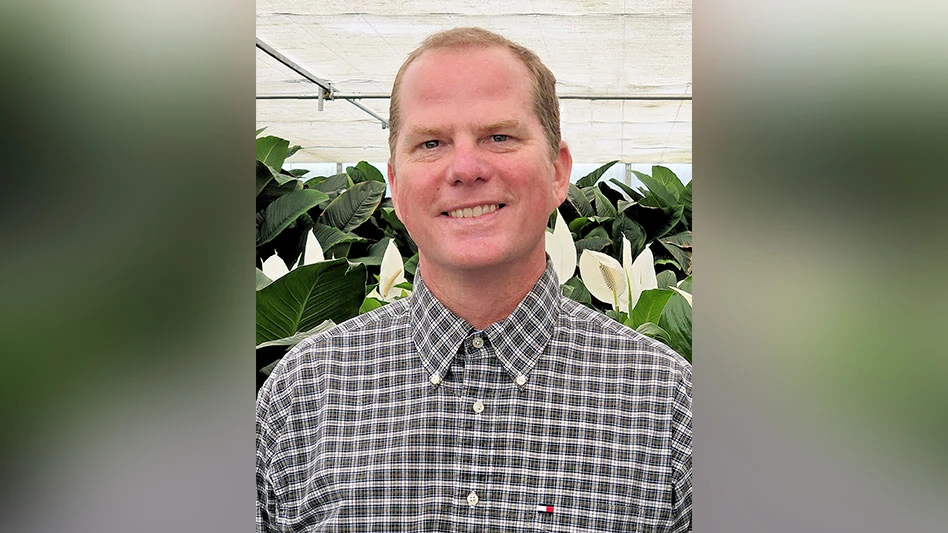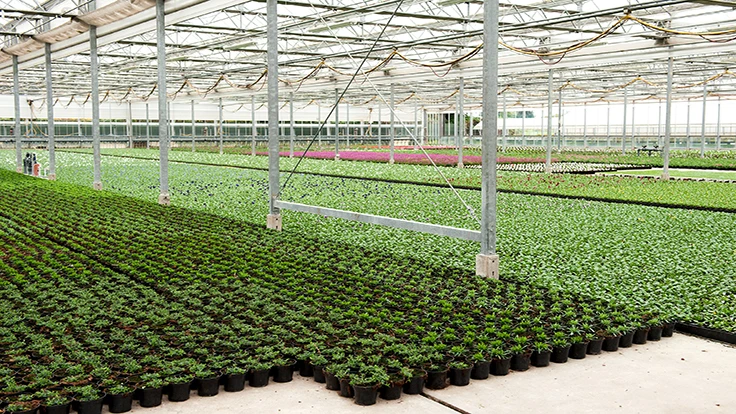
According to Eric Jones, claims representative senior for Hortica®, a brand of the Sentry Insurance Group, research is the first action a grower should take when considering adding a new structure. Specifically, the grower should evaluate the occupancy and the loading requirements for their area.
“Construction of greenhouses are not always regulated by local codes. However, to protect the investment and production a grower should consider whether the structure being built meets the minimum loading requirements for the area.”
One of the resources Jones recommends that growers consult is the National Greenhouse Manufacturers Association (NGMA). The NGMA is an association that is comprised of manufactures and suppliers in the greenhouse industry. NGMA’s website www.ngma.com contains numerous helpful guides and standards.
Jones says, if the grower is buying a new structure the manufacturer will assist in determining local requirements. It is important that the grower communicate to the manufacturer the occupancy of the structure, the type of equipment that will be attached to the structure and whether the structure will be used to hang product. This information along with environmental loading requirements will determine the design of the greenhouse structure.
Wind
According to Jones, greenhouse engineers will start with basic wind speed in the area the grower plans to erect a greenhouse. With this basic wind speed the engineer then evaluates the type of structure the grower is going to build, the type of covering utilized, the topographical layout of the area and other factors that contribute to wind loading.
Jones notes that where a greenhouse is built and how exposed it is can also affect construction requirements.
Snow
Like wind, building a greenhouse to withstand minimum snow load requirements involves building to local building codes. The slope of the roof, whether the structure is gutter connected, the type of covering and its ability to transfer heat for melting snow loads are some of the various things considered when designing for snow loads.
He also notes that greenhouses are mostly built to handle snow loads when heated. If a grower decides to not heat a greenhouse for an extended period, further inspection after a snow event is required.
“You might make it through the winter without heating the greenhouse, but you should check the greenhouse to make sure it’s still square, that all the connections are still tight and that the cladding is intact,” Jones says. Deviations in the design of the greenhouse caused by load related damage affects the engineering of the greenhouse.
Other considerations in purchasing a new structure are being aware that adding a new greenhouse to an existing structure could affect the engineering on the new structure as well as the existing structure. Also, most manufactures sell “Code” and “Non-Code” structures. If the decision is made to purchase a “Non-Code” structure be aware that, as labeled, this greenhouse might not be designed to withstand the minimum deign loads for the area it is being built.
Jones says, if a used structure is being purchased it is important to obtain all the information available on the used structure. This information should include the engineering and the standards in which the structure should be erected. If the person you are purchasing from does not have the information, the original manufacturer would be a good resource.
Hortica® property and casualty coverages are underwritten, and loss control services are provided, by Florists' Mutual Insurance Company and Florists' Insurance Company, members of the Sentry Insurance Group. For more information, visit hortica.com. Policies, coverages, benefits and discounts are not available in all states. See policy for complete coverage details.
Latest from Nursery Management
- Jackson & Perkins expands into Canadian market
- Green & Growin’ 26 brings together North Carolina’s green industry for education, connection and growth
- Marion Ag Service announces return of Doug Grott as chief operating officer
- The Garden Conservancy hosting Open Days 2026
- Registration open for 2026 Perennial Plant Association National Symposium
- Artificial intelligence applications and challenges
- Fred C. Gloeckner Foundation Research Fund calls for 2026 research proposals
- Harrell’s expands horticulture team with addition of Chad Keel