A grass is a grass, right? Actually no, a one-size-fits-all approach is anything but best when it comes to producing ornamental grasses. Some like it hot; some are cool customers. And each group has its own set of cultural requirements for maximum growth, whether they’re warm-season or cool-season grasses.
A good place to start when building an ornamental grass program: Identify which grasses you want to grow, then group them into warm season and cool season. Producing warm- and cool-season grasses in the same conditions introduces avoidable growing problems. Group them correctly to even out watering needs and organize them according to similar heat requirements.
Turning up the heat
Examples of warm-season grasses include Miscanthus, Pennisetum, Cortaderia, Panicum, Andropogon, Schizachyrium, Sporobolus and Muhlenbergia. Generally, warm-season grasses are going to respond to warm temperatures and longer day lengths. They will be summer and fall flowering and will thrive in full sun.
Warm-season grasses can be shipped dormant in the early spring. This results in greatly reduced irrigation needs in the liner tray and after potting while dormant.
Heat and light are key factors to consider when growing warm-season grasses inside and also when determining when crops can be grown outside. Provide approximately 50° to 55°F night temperatures, warmer days and full sun.
Be aware that this category of grasses can tolerate colder temps, but growth will slow, and leaf damage may occur from frosts or freezes without some cover.
Also, some warm-season grasses are day length sensitive, including Panicum, Pennisetum, Andropogon and Schizachyrium. These varieties respond well to increased day length during winter months.
Keep it cool
Examples of cool-season grasses include Calamagrostis, Deschampsia, Festuca, Helictotricon and Phalaris.
Cool-season grasses will be spring and summer flowering and will generally struggle more as temperatures rise. If you’re producing cool-season grasses indoors, increase airflow and control moisture levels. Open the greenhouse during warm winter days to avoid high temperatures. Aim to maintain nighttime temperatures at approximately 40° to 45°F, although daytime temps can be warmer.
Protect finished material from frosts, which can damage foliage. Cool-season grasses can go dormant if subjected to extended periods of freezing temperatures.
Read the full column in our February issue for additional general grass tips, and watch for more from Josiah Raymer in future issues of Nursery Management.
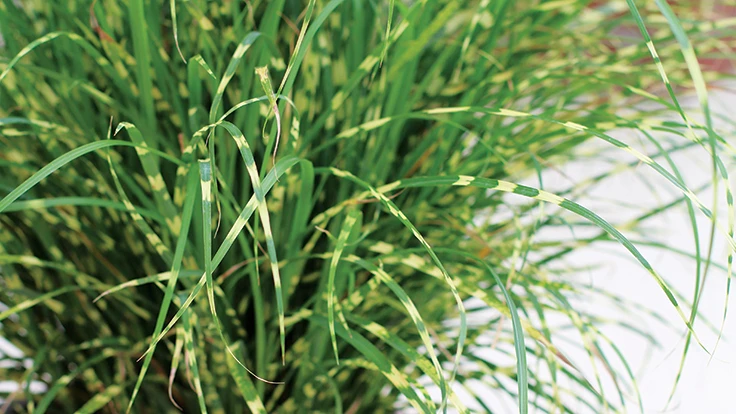
Photo: Miscanthus Bandwidth, provided by Emerald Coast Growers
Latest from Nursery Management
- [SNEAK PEAK] Leading Women of Horticulture: Louise Schaefer and Susan Tantsits
- The Growth Industry Episode 10: State of the Horticulture Industry
- Tennessee Green Industry Field Day scheduled for June 11
- UTIA and UT Knoxville research teams will develop automated compost monitoring system
- Ken and Deena Altman receive American Floral Endowment Ambassador Award
- [SNEAK PEEK] Leading Women of Horticulture: Becky Thomas
- [SNEAK PEEK] Leading Women of Horticulture: Angela Burke
- [SNEAK PEEK] Leading Women of Horticulture: Alexa Patti