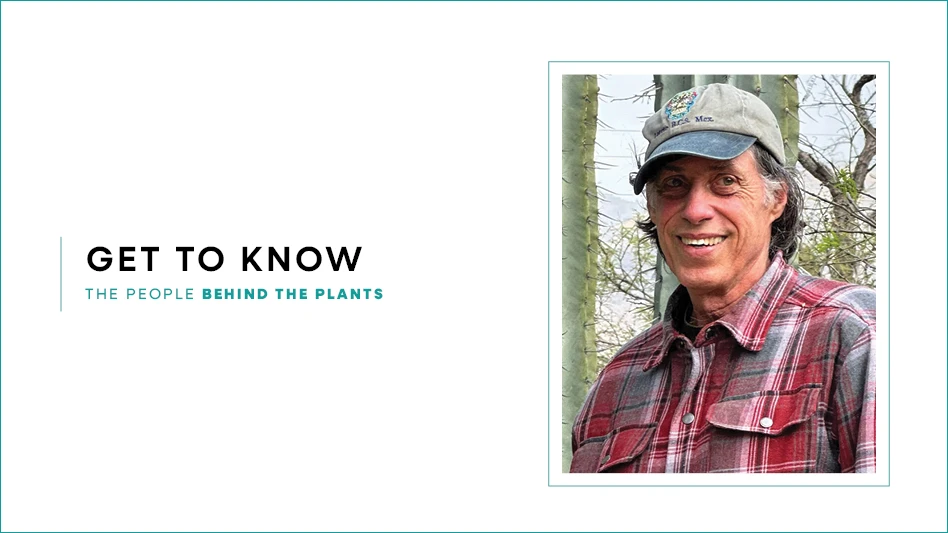
Jerry Levenson may be the John Henry of ligustrum removal.
Every day, the slight 62-year-old, a retired "generic computer geek" from IBM darkened from his days in the sun, drives to South Austin's Blunn Creek Nature Preserve and spends up to five hours sawing down and yanking out the smooth-limbed, waxy-leaved, blue-berried and relentlessly invasive tree that migrated to Texas decades ago from the Orient.
The evergreen withstands drought and freeze, has no natural predators here, and grows so fast that it chokes out native trees. Blunn Creek, once prairie land, is now thick with ligustrum.
This week, Levenson led a crew of Tulane University undergraduates on spring break in removing some of the invasive plants.
"It's pretty much endless work," Chris Dalia, a Tulane senior, told The Austin American-Statesman.
Levenson and the volunteers who regularly remove ligustrum and other invasives face entrenched opponents that make their Sisyphean task even harder. In a battle that pits biodiversity against business interests, the nursery and landscaping industry appears to have the upper hand, beating back efforts to regulate the sale of ligustrum and other attractive, if invasive, plants.
Just a half-mile from the entrance to the Blunn Creek preserve, for instance, Home Depot occasionally offers ligustrum for sale.
Now, the nursery and landscaping industry supports a proposal by state Rep. Jimmie Don Aycock, R-Killeen , to require state and city education on invasives to include a disclaimer that they are only recommendations. The measure also promotes a Department of Agriculture species list that some experts have said is inadequate.
"We want to make sure the general public knows that just because someone says it's invasive, they shouldn't not purchase it," said Jim Reaves, director of legislative and regulator affairs for the Texas Nursery and Landscape Association. "We've got people in our industry who have been growing the plants for years and years."
Read the rest of the story here.
Latest from Nursery Management
- [SNEAK PEAK] Leading Women of Horticulture: Louise Schaefer and Susan Tantsits
- The Growth Industry Episode 10: State of the Horticulture Industry
- Tennessee Green Industry Field Day scheduled for June 11
- UTIA and UT Knoxville research teams will develop automated compost monitoring system
- Ken and Deena Altman receive American Floral Endowment Ambassador Award
- [SNEAK PEEK] Leading Women of Horticulture: Becky Thomas
- [SNEAK PEEK] Leading Women of Horticulture: Angela Burke
- [SNEAK PEEK] Leading Women of Horticulture: Alexa Patti