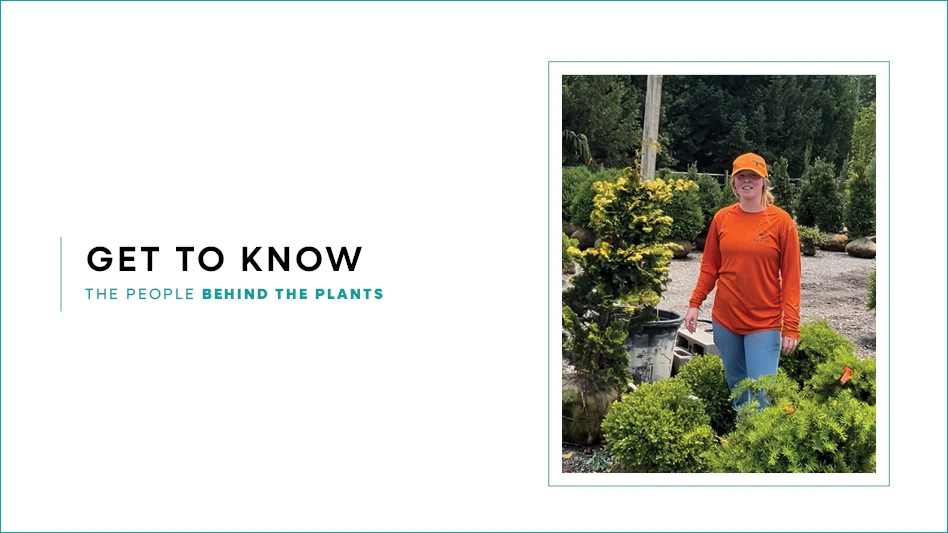
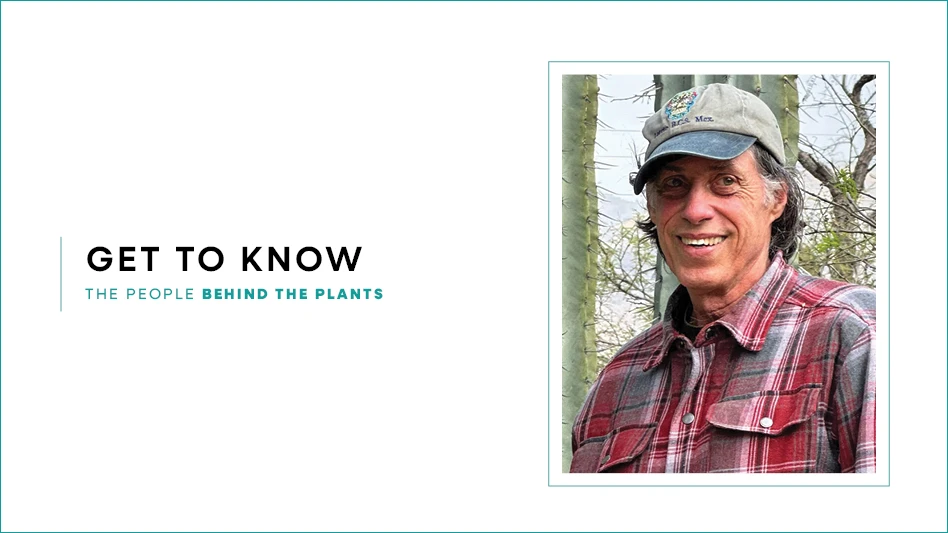
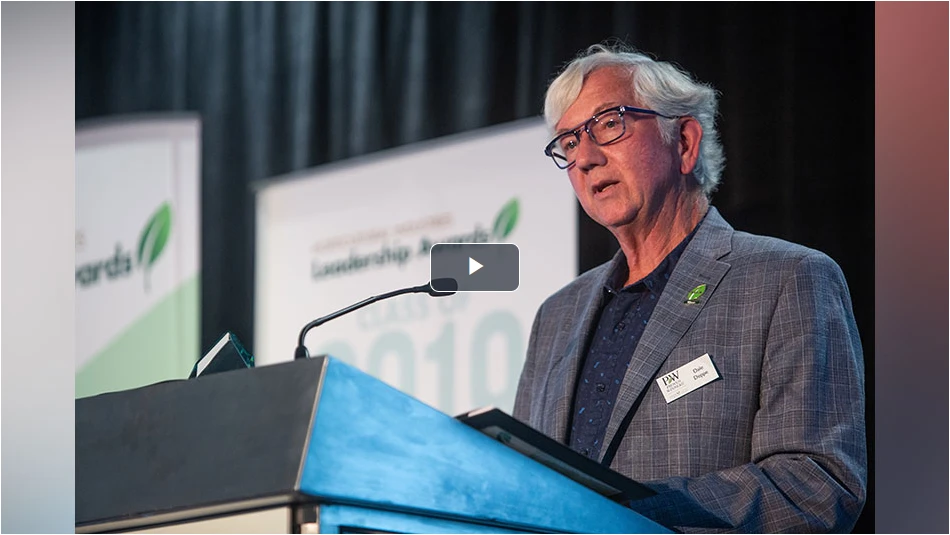
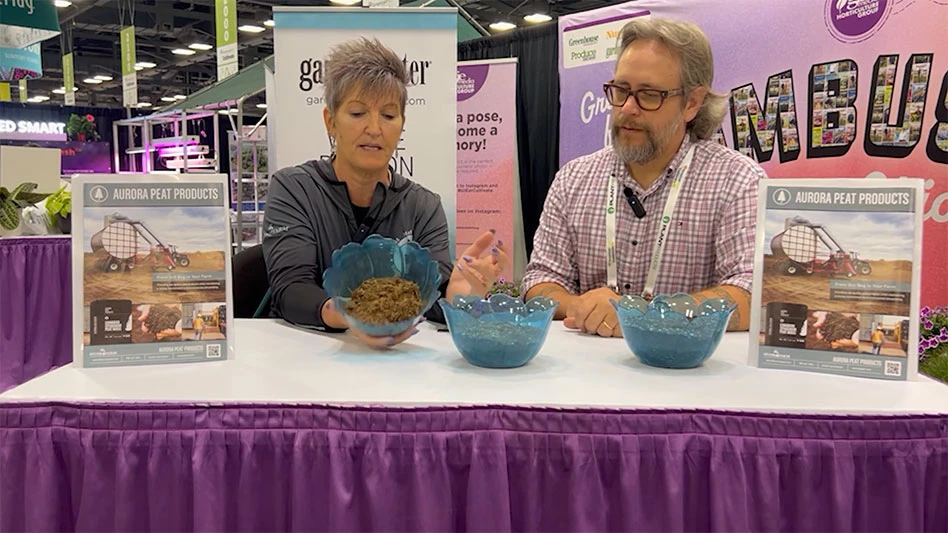
Tim Fleischer and Matt Guthrie are assistant horticulturists at City of Dublin in Ohio and co-hosts of the Shrubby Buddies podcast. Learn tradeshow tips and preview their Cultivate education session about perennials that have proven to outwit, outlast and outgrow the harshest water shortages.
Katie McDaniel: How did you get started in the horticulture industry?
Matt Guthrie: I guess it was when I was about 15 years old. I started working at a local garden center and from there fell in love with plants, the landscape industry, selling plants, growing plants, just learning all of it. That was what started my interest in all of this.
Tim Fleischer: My dad was the city forester for the town I grew up in, and he also grew a very big vegetable garden and fruit trees. At a young age, I was working, harvesting and helping him weed, and I had a lot of fun with that. I also loved science in school and when I went to Ohio State, I majored in landscape horticulture and the rest is history.
KM: What do y’all do as assistant horticulturists at the City of Dublin?
MG: Oh geez, it’s a long list, so we have about 65 parks within the city and we are responsible for all the landscapes. That’s from design to maintenance, and we grow a lot of the plants that go into the landscapes. We are purchasing what we don’t grow. We’re also in charge of trees. Fun fact about our work unit is there’s seven full time assistant horticulturists, and we’re all (International Society of Arborists) ISA-certified arborists, so we do a lot of the tree work within the parks. We’re also in charge of all our natural areas — prairies, under story, things like that. We’re in a unique area here in Dublin where the river runs right through the city, and the city has done a really nice job of preserving these natural areas that are adjacent to the river. We’re in charge of that [and handle] a lot of the invasive species removals and any reforestation projects.
TF: We take a lot of inspiration from the natural areas and put that into the landscapes we design.
KM: What is your favorite part of the job?
TF: My favorite part is right now and then in the fall during planting seasons. I get really stressed out in the summer when we’re all clamoring for a water truck to keep our stuff watered, but in the spring, when I’m just elbows deep in plants — getting things in the ground and getting these gardens that I’ve been designing over the course of the last six months to a year, getting them realized. To me, that’s the best part. And talking with residents, I love it when we’re out working and residents stop and ask what we’re doing, ask what we’re planting or tell us things look nice. That’s the payoff at the end of the day.
MG: For one, I love the gardens that we put in, but I get more enjoyment out of the residents enjoying these spaces, this community recognizing the work and reaching out to us with words of encouragement and seeing the kids taking photos and running through the gardens.
KM: What is your podcast about?
MG: The name of the podcast is the “Shrubby Buddies” podcast. It all started years ago. We would be sitting through different conferences, and a lot of these classes are chock-full of information. But if you’ve ever sat through some of these classes for six or eight hours a day, you know that some of the talks can become dry and you find yourself becoming distracted. So, we decided to come up with fun talks and stuff that would speak to people who are just getting into it.
TF: About this time that Matt’s talking about, Matt and I started doing some talks locally to different garden clubs, so we thought we should start creating a list of talks we could give.
MG: And all of the talks had these funny names to them, so we started an Apple note and would put an outline of what the talk would be about. But nothing really came of it, and we toyed around with the idea of doing a podcast with these talks for a couple of years. Then finally Tim’s wife, Megan, just got tired of us talking about it, and she said, ‘You know what, one of two things is going to happen. You’re either going to do the podcast, starting this year, or I don’t want to hear about it anymore.’ So, we just pulled the trigger and bought the podcast equipment, not really having any clue what we were doing. We watched a lot of YouTube videos on how to start a podcast, how sound stuff works and postproduction stuff works. Then we created the Shrubby Buddies podcast. … The podcast typically follows the season that we’re in, so we started out with annuals. We talk a lot about perennials. We do tree talks and through the summer, we talk about survivor perennials. We’ll dive more into specific plant species and things like that. It’s a fun way for Tim and I to get together once a week and talk about plants and then share what we talk about with other plant people.
KM: What can people expect to learn during the “Survivor Perennials” education session at Cultivate?
TF: In our podcast, we did an episode about [survivor perennials], and it got a really good response from our listeners. We even did a part two, so we thought we could translate that over to Cultivate and pack it with a little bit more information. What we plan to do is highlight the heat and drought trends from the last 20 to 25 years and show where we’ve been going and particularly this past summer of 2024, how hot and dry it actually was. Then from there, we’re going to showcase plants that performed exceptionally well during this past summer, post drought and now this season those same plants that have come back with wonderful vigor. We’re going to put that all together and provide ways to use all those plants together creatively in communities.
KM: Could you give us a sneak peek of some of the plant species that demonstrated resilience during the 2024 drought?
MG: We have some examples of Little Bluestem — Chameleon and Ha Ha Tonka. We talked about taking inspiration from prairies, so a lot of times we look at these dry, upland prairies that would have been native to Ohio and look at what plants would have grown there — like our bluestems, so our warm season grasses. We have our sedums. We’ll talk about prairie dropseed, so there’s a lot of grasses — calamintha is one. That’s a preview of some of the things that we’ll talk about. It’ll be heavy on grasses, but we will have a lot of good flowering perennials also.
TF: It won’t all be grasses, and I think there’ll be some fun surprises. I have a sesleria, an autumn moor grass. This cultivar is ‘Brushstrokes,’ and this is one I’m obsessed with. I hope there’s no problems with it in the future because I’ve planted so much of it. That would be bad (laughs), but this is one I’m excited to talk about, and I think that growers and landscapers alike are going to benefit from this information. We don’t see this one very often. This is one we have to find from certain plug distributors, and we can’t usually find this at some of our local wholesalers. So, hopefully things like this can catch on.
KM: Could you share some trade show tips for first-time attendees?
MG: Since I started going to Cultivate and have been in the horticulture industry, it’s all about networking — getting out there, talking to people in the trade show and building those relationships. Networking and the relationships in this industry have been such a blessing to me. People that I’ve become friends with, maybe I don’t talk to every day, but having those relationships when something comes up like, ‘Oh man, what could work in this situation or how do I get myself out of this pickle,’ having those people that you can fall back on for advice or second opinions has been such a blessing. When I go to Cultivate, I try to create new relationships and build on the friendships that have been created over the years. That’s huge for me.
TG: I know networking seems like a stock answer, but he’s absolutely right. It’s so important to do that. Something that we like to do when we’re networking with people that have plants in their booth is say, ‘What are you going to do with those plants?’ They’re going to end up in the trash if someone doesn’t take them, so if we see something that we’re keen on, we make sure to say, ‘We’ll be back on the last day to take that off your hands’ (laughs), cat’s out of the bag.
MG: Another tip would be making a plan ahead of time — attending classes, setting that schedule up and using the downtime between classes to attend the trade show. I like to look through who all is going to be at the trade show and where they’re going to be, so I can have an idea of which booths to hit for sure and then make my rounds.
TG: Use the app. The Cultivate app is awesome for that.
MG: We always say go on an empty belly because there’s always good snacks and treats at all the booths. The candy jars are great. Then on the last day hit up all the booths for freebies — the hats, the pins and chip clips, all the good stuff.