Submitting insects for ID


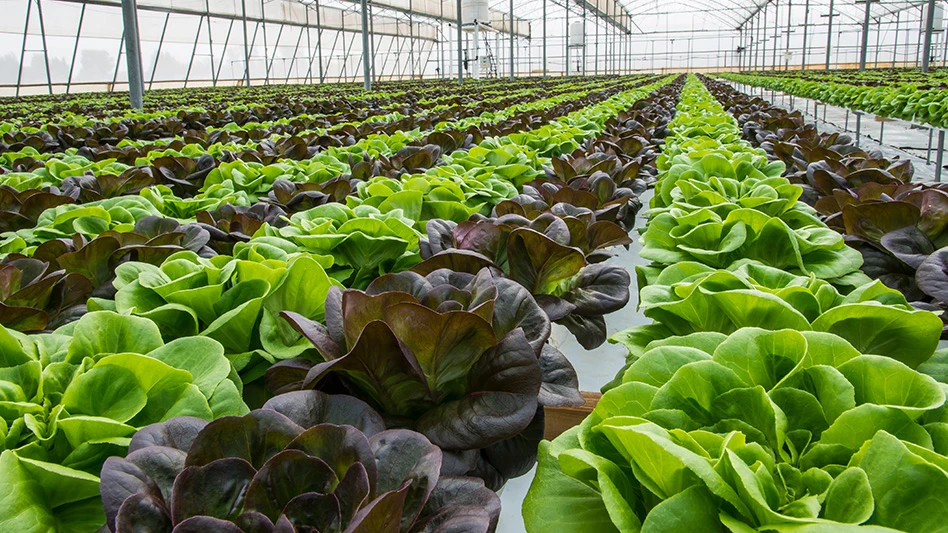
Photo © dreamstime.com/Maximilian Buzun


Sending insects to a diagnostic lab takes some preparation. Here are some considerations and steps to take before you mail any samples.

  • Complete, intact and well-preserved specimens offer the best chance for identification.
  • Most insects should be preserved immediately after collection.
  • Dried and unprotected insects are easily crumbled during mail processing.
  • Do not attach insects to tape. The insect will likely be destroyed when removed from the tape.
  • Several specimens should be included, if possible.
  • Most specimens can be killed and preserved in glass or plastic jars containing 70-90 percent ethyl or isopropyl (rubbing) alcohol.
  • Do not send insects in water.
  • Fragile insects (butterflies, moths) should be killed in a freezer. Store in a sturdy container lined with tissue paper. Do not use alcohol.
  • Pests on plants such as mites, thrips, aphids, scale and other fragile insects should be sent in on the diseased plant.
  • Send small caterpillars, grubs and maggots live in a plastic bag with some of the host material, if possible. It may be necessary to rear some of these to the adult stage for positive identification.

Source: Michigan State University Extension and Clemson Cooperative Extension
Read Next

Natural disasters

July 2011
Explore the July 2011 Issue

Check out more from this issue and find your next story to read.

No more results found.