ahmadyahdi | Adobe Stock
Editor's Note: This article originally appeared in the November 2025 print edition of Nursery Management under the headline “How do you handle weeds?.”

ahmadyahdi | Adobe Stock
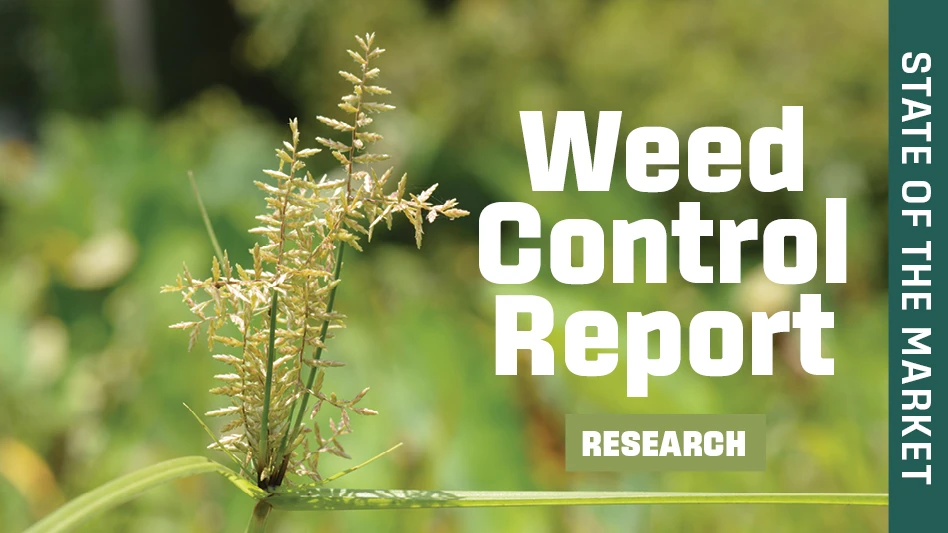
This summer, Nursery Management magazine surveyed 150 growers across North America to learn more about weed management procedures including scouting, herbicide use, budgets and more. Survey respondents hailed from 35 states plus several Canadian provinces. The following pages reveal what your peers are doing at their own operations, as well as which weeds are the most problematic.

Editor’s note: Big increase in field production growers from last year, when only 2% of survey respondents were field-only.


Editor’s note: The percentages are flipped from last year, when 57% of respondents said they follow a plan and 43% address issues as they arise.

Editor’s note: Eclipta seemed to be less of a problem this year, dropping from 19% to 9%. Spurge saw an even bigger drop, from 63% to 45%.

Explore the November 2025 Issue
Check out more from this issue and find your next story to read.